ASPC PATIENT EDUCATION · UPDATED 29 OCTOBER 2026
At a glance
Postpartum physiotherapy supports movement, pelvic-floor function, strength and return to daily activities after childbirth. The plan should fit delivery mode, healing, symptoms and advice from the maternity team.
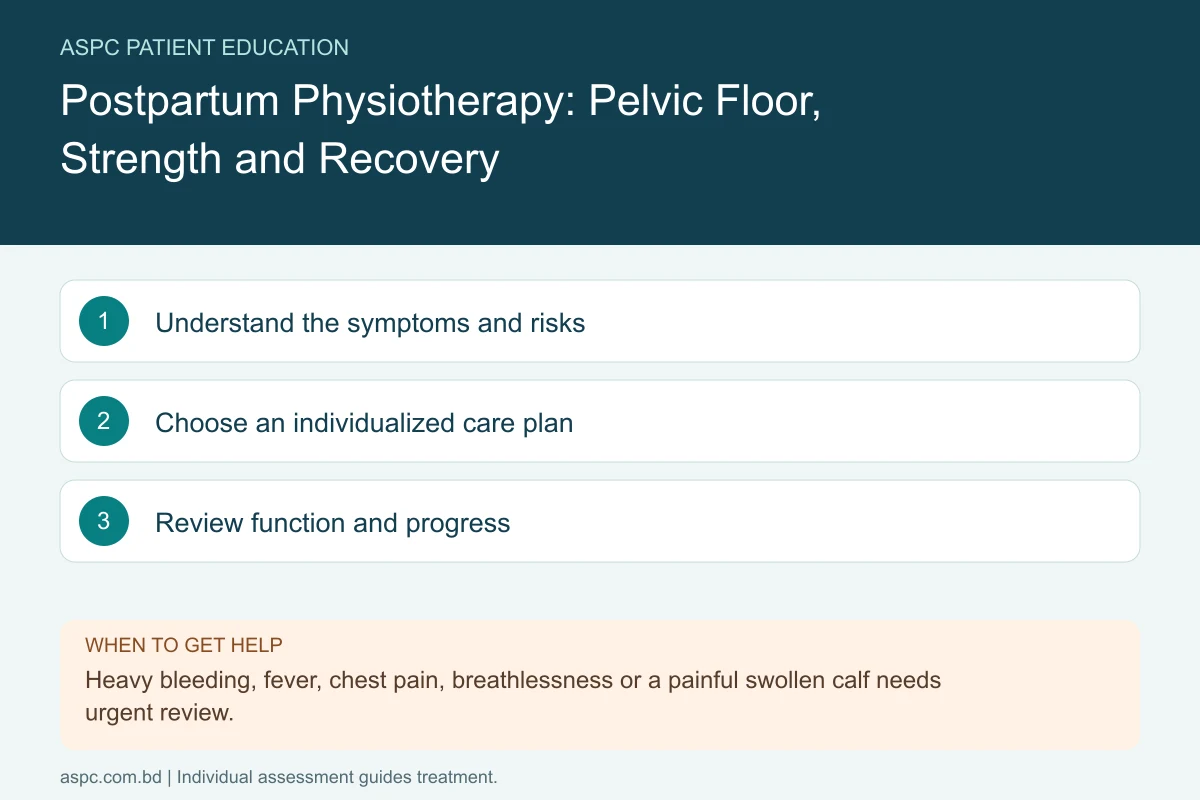
When to get help: Heavy bleeding, fever, chest pain, breathlessness or a painful swollen calf needs urgent review.
The featured image is AI-generated and does not depict an actual patient. General information; care should follow an individual assessment.
In this guide
- What Is Physiotherapy After Pregnancy Delivery?
- How Common Is the Need? Recovery and Public Health
- Benefits and Factors That Influence Recovery
- Types of Postpartum Physiotherapy and Practical Examples
- Assessment and Management: An Individualized Postpartum Physiotherapy Plan
- Nutrition, Recovery and Daily Tips
- Other Conditions and When to Get Help
- Post pregnancy Physiotherapy Support in Dhaka: Agrani Specialized Physiotherapy Centre (ASPC)
- Final Takeaway
- Common questions
- References
Physiotherapy after childbirth supports recovery of movement, strength and everyday function following pregnancy and delivery. Changes in the abdominal wall, pelvic floor, posture, sleep and activity levels may contribute to pain, urinary symptoms, fatigue or difficulty returning to usual tasks. A tailored programme can include education, gentle mobility, pelvic floor rehabilitation, strengthening and gradual aerobic activity. Timing and intensity depend on delivery mode, healing, symptoms and medical complications; there is no single programme suitable for everyone (ACOG, 2020; Canadian Society for Exercise Physiology [CSEP], 2025).
Postpartum physiotherapy is not only about “getting back in shape.” It can help a person move comfortably, manage lifting and feeding positions, rebuild confidence and identify symptoms that need further assessment. Light activity may begin when medically safe, but pain, increased bleeding, wound problems or new cardiopulmonary or neurological symptoms should not be ignored (ACOG, 2020; CSEP, 2025).
What Is Physiotherapy After Pregnancy Delivery?
Postpartum physiotherapy is individualized rehabilitation after vaginal or cesarean birth. It considers the pelvic floor, abdominal wall, spine, hips, breathing, general strength and the physical demands of caring for a newborn. Treatment may be preventive education, management of symptoms such as urinary leakage or pelvic pain, or rehabilitation after perineal injury, cesarean surgery or other complications. Assessment and consent are essential, particularly before internal pelvic floor examination or treatment.
The aim is to restore function safely rather than force rapid weight loss or an immediate return to pre-pregnancy exercise. A physiotherapist may teach comfortable transfers, supported feeding positions, graded walking, breathing coordination and exercises matched to healing and goals. Medical and obstetric advice takes priority when complications or contraindications are present (ACOG, 2020; NICE, 2021).
How Common Is the Need? Recovery and Public Health
Pregnancy and childbirth can affect pelvic floor function, abdominal strength, posture, continence and physical activity. However, recovery varies widely, and not every postpartum person needs specialist physiotherapy. Referral is particularly relevant when pain, urinary or faecal leakage, pelvic heaviness, difficulty walking, abdominal wall concerns or reduced function persists or limits daily life. Population guidance supports a gradual return to physical activity, while emphasizing individual assessment when medical issues or complications are present (CSEP, 2025).
| Recovery focus | Physiotherapy role |
|---|---|
| Early mobility | Breathing, circulation-friendly movement, comfortable transfers and short walks as tolerated. |
| Pelvic floor function | Assessment and tailored training for weakness, leakage, pain or coordination difficulty. |
| Abdominal and trunk function | Gradual activation and strengthening, including assessment of abdominal separation when relevant. |
| Daily activity | Advice on lifting, feeding positions, posture, pacing and return to work or exercise. |
| Persistent symptoms | Screening, progress monitoring and referral to an obstetric or medical clinician when indicated. |
Table 1. Common postpartum rehabilitation goals and examples of physiotherapy input. Treatment should be adapted to clinical findings and the person’s preferences.
Benefits and Factors That Influence Recovery
Appropriately prescribed activity can support cardiovascular fitness, mood, sleep and general physical capacity. Physiotherapy may help address specific impairments, improve confidence with movement and support a gradual return to meaningful activities. Pelvic floor muscle training can be useful for people with urinary incontinence, but technique and suitability matter; pelvic pain or difficulty relaxing the pelvic floor may require a different approach (ACOG, 2020; WHO, 2022).
- Pelvic floor and continence: assessment can identify symptoms and guide individual pelvic floor muscle training when indicated. The World Health Organization does not recommend routine structured pelvic floor training for every asymptomatic postpartum woman solely as a preventive measure, but advises that women with stress urinary incontinence may benefit from training (WHO, 2022).
- Abdominal and back function: graded trunk and hip exercises, breathing coordination and movement strategies may help rebuild strength for carrying, feeding and daily tasks. Exercise should be progressed according to symptoms and healing rather than appearance alone.
- Pain and posture: advice on comfortable feeding, carrying and sleeping positions, plus movement breaks and graded activity, may reduce avoidable strain. Persistent or severe pain requires assessment for causes beyond routine muscle soreness.
- Mood, energy and confidence: gentle activity and achievable goals can support well-being. Physiotherapy complements, but does not replace, mental-health care when depression, anxiety or trauma symptoms are present.
Recovery is influenced by delivery mode, perineal tears, cesarean wound healing, blood loss, sleep, feeding demands, previous fitness, chronic conditions, support at home and access to care. Advice should be non-judgmental and realistic about the person’s resources and responsibilities (CSEP, 2025).
Types of Postpartum Physiotherapy and Practical Examples
A programme is selected from assessment findings and may change as recovery progresses.
- Breathing and circulation: comfortable diaphragmatic breathing, ankle movements and gentle position changes may be appropriate early, subject to medical advice.
- Walking and aerobic activity: start with short, easy walks when medically safe and increase duration gradually. The 2025 Canadian guideline recommends progressing toward at least 120 minutes of moderate-to-vigorous activity weekly, spread over four or more days, when there are no contraindications and healing permits (CSEP, 2025).
- Pelvic floor rehabilitation: a clinician may teach correct contraction and relaxation, coordination with breathing and a symptom-specific programme. Avoid repeated forceful contractions if they cause pain or increased pelvic pressure.
- Abdominal, hip and back strengthening: begin with comfortable low-load movements and progress to functional strength tasks. Exercise selection should account for pain, abdominal wall symptoms and surgical or perineal healing.
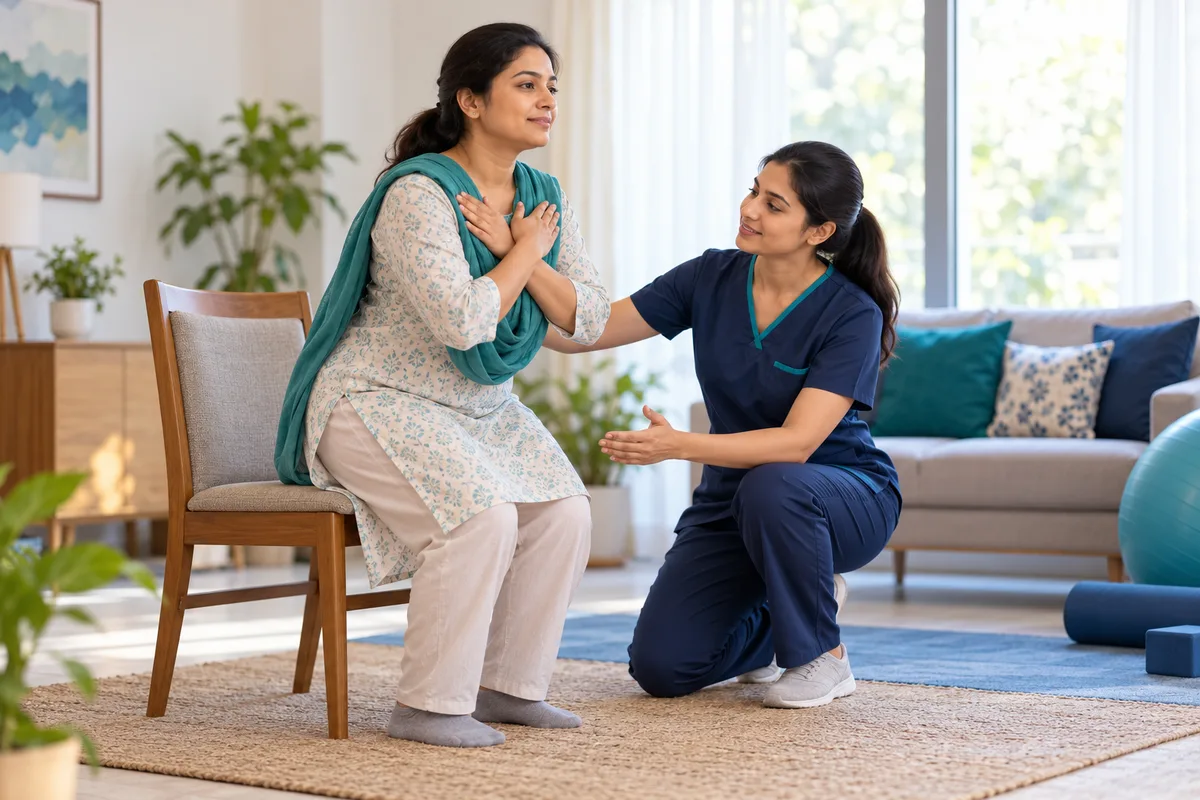
- Balance and functional practice: graded sit-to-stand, carrying strategies and safe lifting practice can prepare the person for everyday caregiving and return to work or sport.
Assessment and Management: An Individualized Postpartum Physiotherapy Plan
A safe plan begins with delivery history, medical status, symptoms, function and personal goals. The physiotherapist should consider vaginal or cesarean delivery, perineal injury, wound status, bleeding, pain, continence, abdominal symptoms, sleep and current activity. Coordination with the midwife, obstetrician or physician is important when complications are suspected (ACOG, 2020; NICE, 2021).
How to assess postpartum rehabilitation needs
- History and goals: ask about delivery and recovery, pain, urinary or bowel symptoms, pelvic heaviness, fatigue, feeding and lifting demands, prior activity and desired goals.
- Functional assessment: when appropriate and with consent, assess walking, transfers, breathing, abdominal and hip function, strength and movement tolerance. Pelvic floor assessment should be explained and performed only with informed consent and appropriate training.
- Risk screening: review wound concerns, fever, heavy bleeding, calf pain or swelling, chest pain, severe headache, breathlessness, fainting and new neurological symptoms. Urgent warning signs require medical assessment, not exercise progression.
How to build a safe, sustainable programme
- Start gently and progress gradually: begin with light movement as tolerated and increase one element at a time. Progress only when symptoms and healing remain stable.
- Match exercises to the delivery and symptoms: after cesarean birth or significant perineal injury, progression should reflect wound and tissue healing and advice from the maternity team.
- Practice functional skills: use comfortable feeding positions, exhale during effort when helpful, keep loads close and break demanding tasks into manageable parts.
- Review and adapt: monitor pain, bleeding, pelvic symptoms, fatigue and function. Modify the plan if symptoms worsen or recovery is slower than expected.
- Coordinate care: refer to an obstetrician, physician or pelvic health specialist when symptoms suggest a complication or require further investigation.
Physiotherapy is individualized rehabilitation, not a substitute for postpartum medical care. Evidence supports gradual physical activity for many postpartum people, but exact timing and exercise choice should reflect delivery mode, symptoms and complications (ACOG, 2020; CSEP, 2025).
Nutrition, Recovery and Daily Tips
Recovery is supported by adequate food, fluids and rest where possible. A balanced diet with protein-rich foods, vegetables, fruit, whole grains and iron-containing foods can support general recovery; specific dietary or supplement needs should be discussed with a healthcare professional. Breastfeeding parents may need to pay attention to hydration and comfortable breast support during activity.
Use short movement breaks, change positions regularly and accept help with household tasks where available. Increase walking and exercise gradually rather than compensating for missed activity with a demanding session. Stop and seek advice if exercise causes increasing pain, heavier vaginal bleeding, wound symptoms, pelvic heaviness or urine leakage that is new or worsening.
Other Conditions and When to Get Help
Some symptoms are not expected features of routine recovery. Seek urgent medical care for chest pain, sudden or severe breathlessness, fainting, one-sided calf pain or swelling, heavy bleeding, fever with worsening pain, severe headache with visual symptoms, or new weakness or speech difficulty. Promptly contact the maternity or medical team for wound opening or discharge, worsening pelvic or abdominal pain, persistent urinary or bowel problems, or symptoms that prevent daily activities (NICE, 2021).
Exercise should be modified for anemia, hypertension, infection, significant birth injury, cardiopulmonary disease or other complications. These conditions do not always prevent rehabilitation, but they may require medical review and an individualized plan.
Post pregnancy Physiotherapy Support in Dhaka: Agrani Specialized Physiotherapy Centre (ASPC)
Agrani Specialized Physiotherapy Centre (ASPC) describes its services as including physiotherapy and musculoskeletal assessment, with management organized around Structural Diagnosis and Management (SDM). This is institutional information and should not be interpreted as independent evidence that a specific branded approach is superior for postpartum recovery.
Final Takeaway
Physiotherapy after pregnancy delivery can support safe mobility, pelvic floor and abdominal rehabilitation, pain management, confidence and gradual return to daily activity. The programme should be individualized according to delivery mode, tissue healing, symptoms and medical history. Gentle movement can often begin when medically safe, while more demanding exercise should progress gradually and symptom-by-symptom. Heavy bleeding, fever, chest pain, severe breathlessness, calf swelling or new neurological symptoms require medical assessment. A qualified physiotherapist can help translate general recommendations into a realistic plan, while coordinating with maternity care when needed (ACOG, 2020; CSEP, 2025; WHO, 2022).
Common questions
When can I restart exercise after delivery?
Timing depends on delivery mode, healing, complications and symptoms. Begin with medically appropriate gentle activity and progress with individualized guidance.
Should I push through pelvic-floor symptoms?
Persistent leakage, pelvic pain, heaviness or difficulty returning to daily function deserves assessment. A suitable plan may differ from a generic exercise routine.
Assessment and rehabilitation in Dhaka
ASPC Manipulation Therapy provides physiotherapy and rehabilitation in Dhaka. Contact the centre to discuss the service, clinician, appointment arrangements and current fees relevant to your needs. Medical emergencies and suspected infectious illness require the appropriate medical pathway.
Discuss an assessment with ASPC
Related patient guides
- Physiotherapy During Pregnancy: Safe Exercise and Pain Management
- Exercise and Weight Loss: Physiotherapy, Strength and Nutrition
Related assessment and rehabilitation guides
References and clinical guidance
Research findings apply to the populations and interventions studied. Editorial source checking is not independent clinical peer review.
- Primary condition-specific guidance
- American College of Obstetricians and Gynecologists (ACOG). (2020). Physical activity and exercise during pregnancy and the postpartum period (Committee Opinion No. 804). https://www.acog.org/clinical/clinical-guidance/committee-opinion/articles/2020/04/physical-activity-and-exercise-during-pregnancy-and-the-postpartum-period
- 2025 Canadian guideline for physical activity, sedentary behaviour and sleep throughout the first year post partum (2025). British Journal of Sports Medicine
- National Institute for Health and Care Excellence (NICE). (2021). Postnatal care (NG194). https://www.nice.org.uk/guidance/ng194
- World Health Organization (WHO). (2022). WHO recommendations on maternal and newborn care for a positive postnatal experience. https://www.who.int/publications/i/item/9789240045989
Editorial update: 29 October 2026. Medical information disclaimer.